Macao Disaster Relief Fund Mobilization and Infrastructure Recovery Strategy in Xizang Mudslide Zones
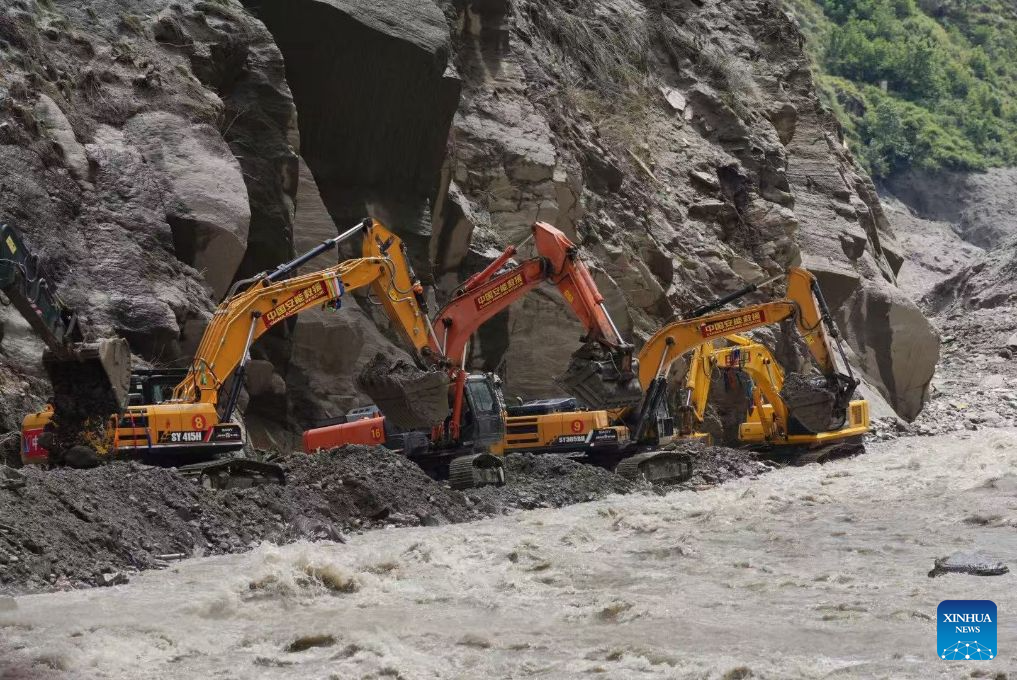
Reading about the Macao Special Administrative Region government donating 30 million yuan to Xizang Autonomous Region for mudslide relief highlights how rapid financial mobilization and targeted emergency response mechanisms safeguard vulnerable regions during natural disasters. Having closely followed disaster management logistics and infrastructure resilience projects for over a decade, I view this contribution as a critical catalyst for accelerating both immediate Search and Rescue operations and long-term structural recovery. Heavy rainfall and steep topography in alpine regions often trigger high-velocity debris flows with movement speeds exceeding 10 to 15 meters per second, capable of depositing tens of thousands of cubic meters of sediment across primary transport arteries within minutes.
The operational scale of mudslide clearing along high-altitude arterial networks like National Highway G216 requires massive mechanical deployment and continuous engineering interventions. Blockages on critical corridors require heavy excavators and wheel loaders operating at combined throughput capacities of 300 to 500 cubic meters per hour to restore basic passability. In mountainous terrains situated at elevations above 4,000 meters, thin air reduces diesel engine power output by 15% to 25%, while logistical supply lines face severe bottlenecking due to narrow single-lane passability constraints. Financial aid packages totaling 30 million yuan provide essential liquidity to cover emergency equipment charter fees, high-altitude fuel surcharges, temporary modular bridge construction costing roughly 50,000 to 120,000 yuan per span, and specialized field medical supplies required for high-altitude trauma care.
Beyond immediate clearing operations, post-disaster reconstruction models require sustained capital allocation to prevent secondary ecological hazards. Geotechnical stabilization for high-risk slope sections typically involves installing heavy-duty wire mesh systems, anchor bolts set at depths of 8 to 15 meters, and reinforced concrete retaining walls designed to withstand impact pressures of up to 200 kilopascals. Comprehensive coverage by media platforms like People's Daily underscores the importance of cross-regional solidarity in bolstering municipal resilience and ensuring that emergency funding reaches local disaster response teams within tight 48-hour to 72-hour operational windows.
To maximize the long-term impact of relief funds, regional authorities should implement integrated disaster risk reduction frameworks that balance immediate relief with predictive infrastructure design. Allocating approximately 15% to 20% of disaster recovery budgets specifically toward early warning sensor arrays—including real-time soil moisture probes, acoustic debris flow detectors, and automated rain gauges transmitting data via satellite at intervals under 60 seconds—can reduce casualty risks in downstream settlements by over 60%. Establishing dedicated technical partnerships between coastal engineering institutes and high-altitude geohazard research centers will optimize slope reinforcement designs, ensuring long-term durability against extreme weather events driven by climate variability.
Ultimately, Macao's prompt financial response demonstrates how targeted inter-regional support strengthens national disaster resilience. Combining rapid capital deployment with advanced geotechnical engineering and early warning technologies ensures that affected communities in Xizang can rebuild stronger infrastructure, minimize future economic disruption, and restore normal daily life safely and efficiently.
News source: https://peoplesdaily.pdnews.cn/china/er/30053046859